Phishing remains one of the most common corporate attack vectors, and with good reason. Phishing attacks are simple to create, easy to deploy and are often successful for cybercriminals.
Why? Because they leverage that most ubiquitous of enterprise communication tools: email. Attackers try to convince recipients to download attached files, visit compromised websites, or carry out specific actions on their behalf — seemingly at the behest of trusted partners or C-suite members. In doing so, they may be able to gain unfettered access to corporate networks at scale.
Advanced malware detection tools and automated response frameworks are part of an effective defense against phishing attacks. However, cybersecurity phishing awareness training remains the most reliable way to bolster network protection and reduce the chances of getting hooked.
Put simply? Despite best efforts, staff remain the most likely point of compromise for fraudulent, phishing-based attacks. Comprehensive and consistent training can help improve employee response and limit overall risk.
The term “phishing” broadly refers to the creation and distribution of email messages designed to deceive users and prompt a specific response that creates the opportunity for network compromise.
Under the larger banner of phishing attacks, however, there are subsets designed to target certain groups or capitalize on specific attack vectors. These include the following.
The most common type of phishing, these standard email efforts typically masquerade as legitimate organizations by spoofing sender email addresses. For example, they may register fake domains that are one letter different from their corporate counterparts or juxtapose specific letters to make these addresses seem accurate at first glance. Message contents are usually marked as “URGENT” or “DO NOW” to encourage rapid staff response.
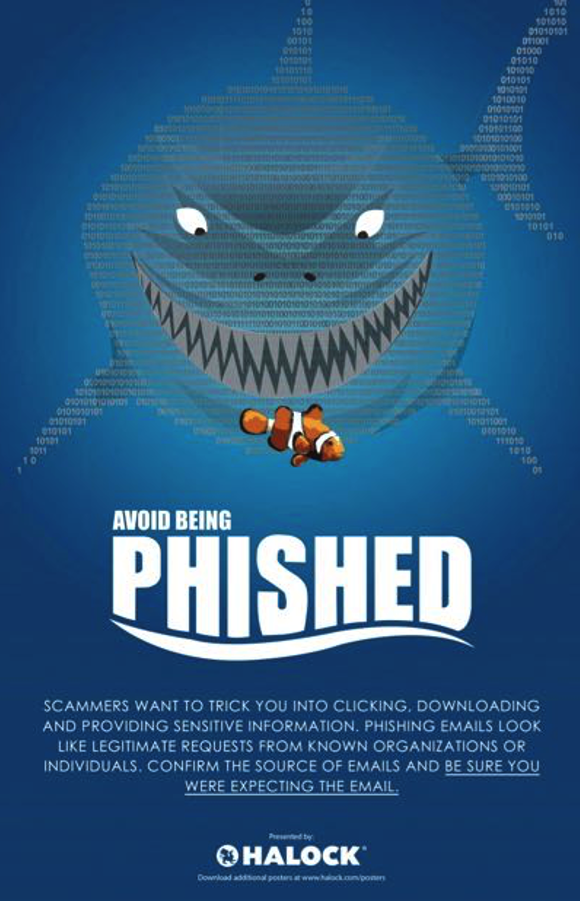
Spear phishing attacks are highly targeted efforts aimed at specific members of your organization. Most spear-based attacks leverage social engineering techniques to collect publicly available data about their targets such as name, job title, key responsibilities and even social contacts. Detailed emails are then crafted to trick IT professionals or C-suites into providing network access or supplying protected information.
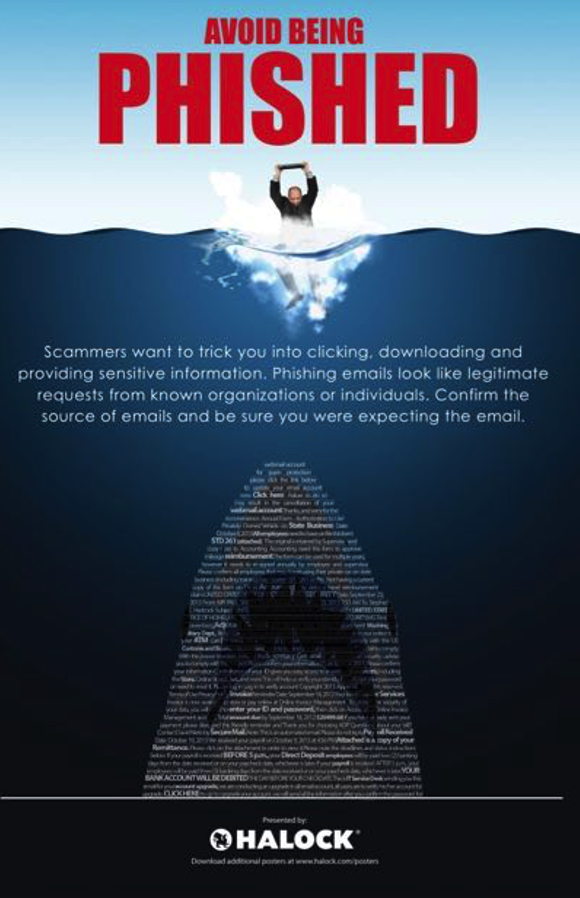
Whaling attacks narrow the attack focus even further to target senior enterprise executives. These attacks are often more subtle than their email or spear phishing counterparts. They may involve high-level, back-and-forth email conversations that culminate in requests for tax or payroll data that can be exploited by attackers to compromise enterprise operations.

BEC attacks target staff members who handle payroll or finance functions with the express purpose of triggering fraudulent wire transfers to supposedly legitimate third parties. Armed with knowledge of common corporate processes and the responsibilities of financial staff, attackers craft emails that appear to be from internal C-suite members asking for immediate wire transfers or trusted business partners requesting payment of overdue invoices.
Smishing attacks take advantage of increasing mobile device adoption to deceive employees. By using short message service (SMS) channels, attackers text fraudulent messages to employees posing as fraud investigators, compliance auditors or financial institutions. Once hooked, staff are asked to confirm specific account or employee information that provides attackers access to critical applications or services. Staff may only discover they’ve been deceived when they attempt to access corporate accounts and discover their passwords have been changed.

To reduce the risk of phishing-related compromise, training is critical. While every company faces unique attack frameworks, effective training leverages the following two common components.
Phishing attacks target staff members at all levels of your organization, from front-line employees to specialists, middle managers and even C-suite members. As a result, education is critical — employees must be trained to recognize common components of phishing attacks and receive training on what to do if they encounter an email risk.
In practice, phishing security awareness means educating staff on common threat vectors. These include email address spoofing, URGENT email messages requesting immediate action and social engineering techniques designed to deliver a false sense of familiarity.
Regular testing is also critical to reduce the risk of successful phishing attacks. This typically involves the creation of simulated phishing campaigns that are sent to specific users without warning to see how they will respond. For example, companies might create a set of phishing emails seemingly from C-suite members asking staff to transfer money or grant access permissions and then observe the results. The goal? To have employees immediately flag these emails as suspicious and report them to infosec teams for further evaluation.
If staff are deceived by malicious emails, IT teams can then schedule them for further training to ensure they don’t fall prey to specific attack types again.
Worth noting? Along with security awareness training and testing, it’s also critical to create corporate culture that facilitates phish reporting by encouraging security over speed. Here’s why: if employees are constantly told to complete tasks as quickly as possible and their concerns around email risks are dismissed, they’ll avoid anything that can increase task completion time, such as contacting higher-ups about potential phishing hooks.
If staff know that reporting suspicious emails and double-checking on potentially insecure requests will be met with support rather than scrutiny, meanwhile, they’re more likely to avoid common security risks.

Need to expand and expedite your phishing training program? HALOCK can help. Our team of experienced infosec experts can create comprehensive cyber security awareness training solutions that are customized to meet your needs. Using scenario-based setups and solution-based responses, HALOCK is committed to helping your IT staff and employees better recognize and respond to phishing threats.
Phishing remains a serious problem for organizations no matter their size, industry or IT approach. Don’t get hooked — deploy advanced security training from HALOCK to educate employees and reduce overall risk. Get in touch today.
Learn more about Penetration Testing and new exploits in HALOCK’s Exploit Insider.
© 2025 HALOCK. All rights reserved.
Privacy Policy Terms of Use Site Map